The Homerun Blog
Guides, cost breakdowns, and real-world insight on house kits, steel buildings, financing, and everything in between — built to help you make an informed decision.

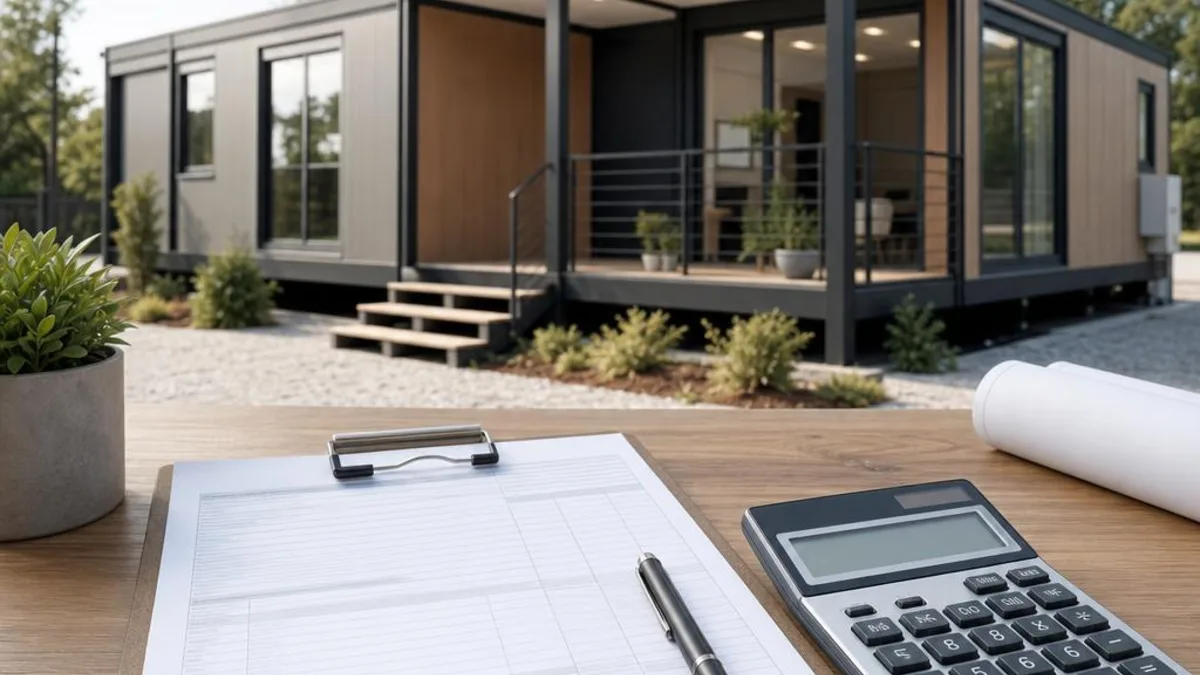
National averages for new home construction in 2026 run $150–$400+ per square foot. Here's the real cost breakdown — land, foundation, framing, mechanicals, finishes — plus how kit-built homes change the math.

Building a new home for under $100K in 2026 is realistic in many parts of the country with the right combination of land, foundation, and a wood-framed kit. Here's the budget breakdown.

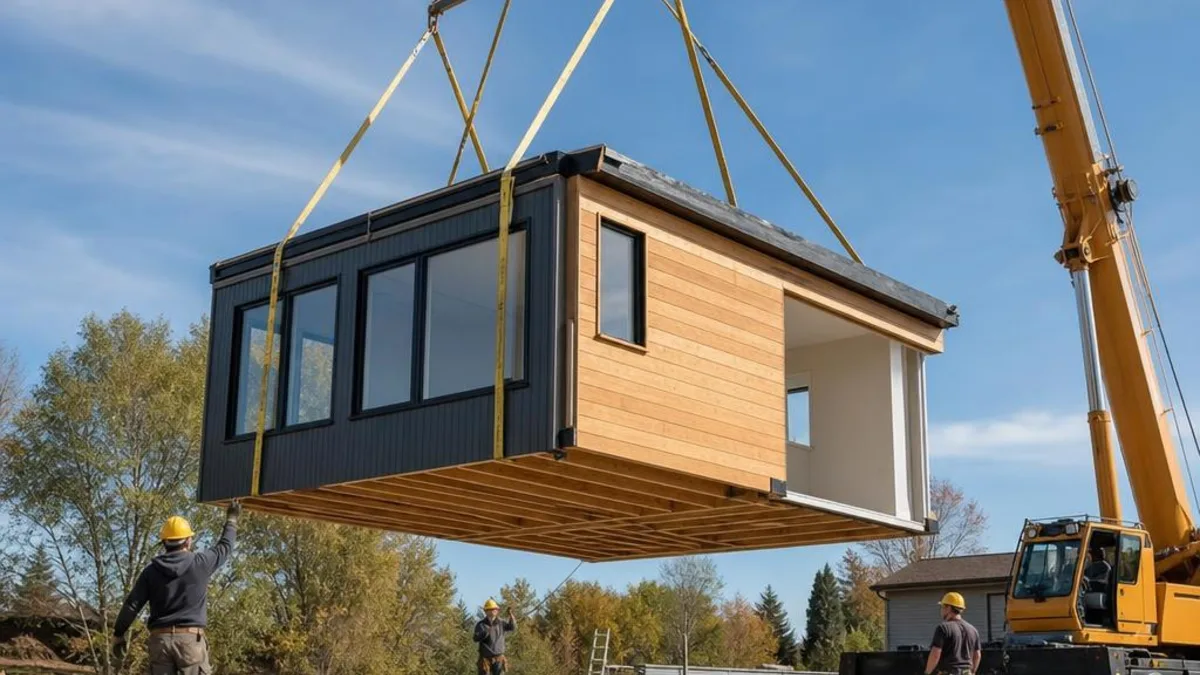
House kits arrive pre-engineered with framing, trusses, and hardware included. Stick-built means a contractor sources and dimensions every piece on site. Here's the real cost difference.

There are dozens of kit suppliers. Most market hard, but few publish engineering specs, real prices, or delivery scope. Here's what separates a serious supplier from a marketing brochure.

Financing a kit-built home isn't the same as a conventional mortgage. Construction-to-perm loans, USDA, VA, and owner-builder loans all apply — here's which fits which situation.

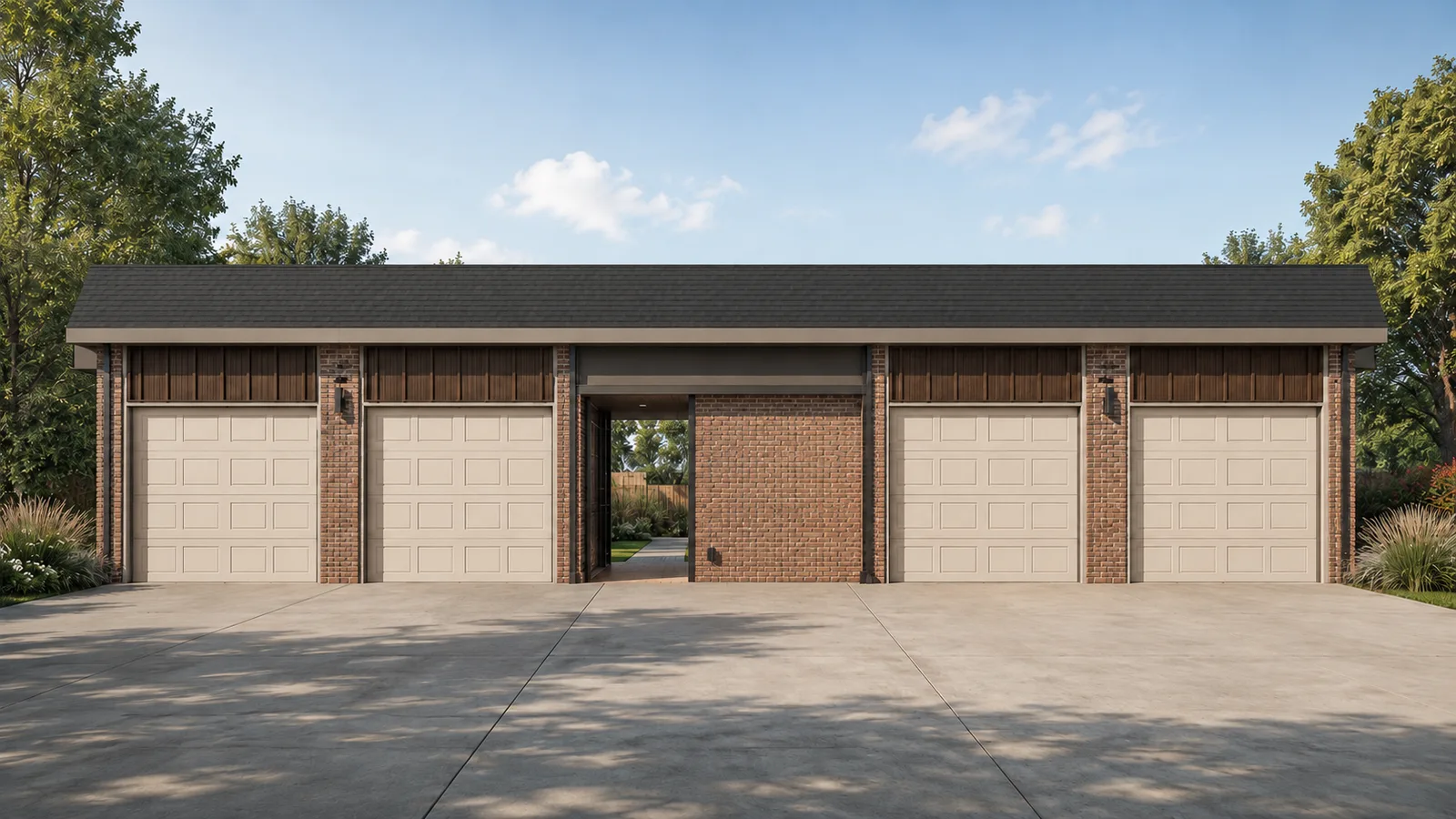
A 30x40 metal building is the most-quoted size we sell. Kit prices range from $14K to $32K depending on framing, height, doors, and insulation. Here's how the numbers actually work.

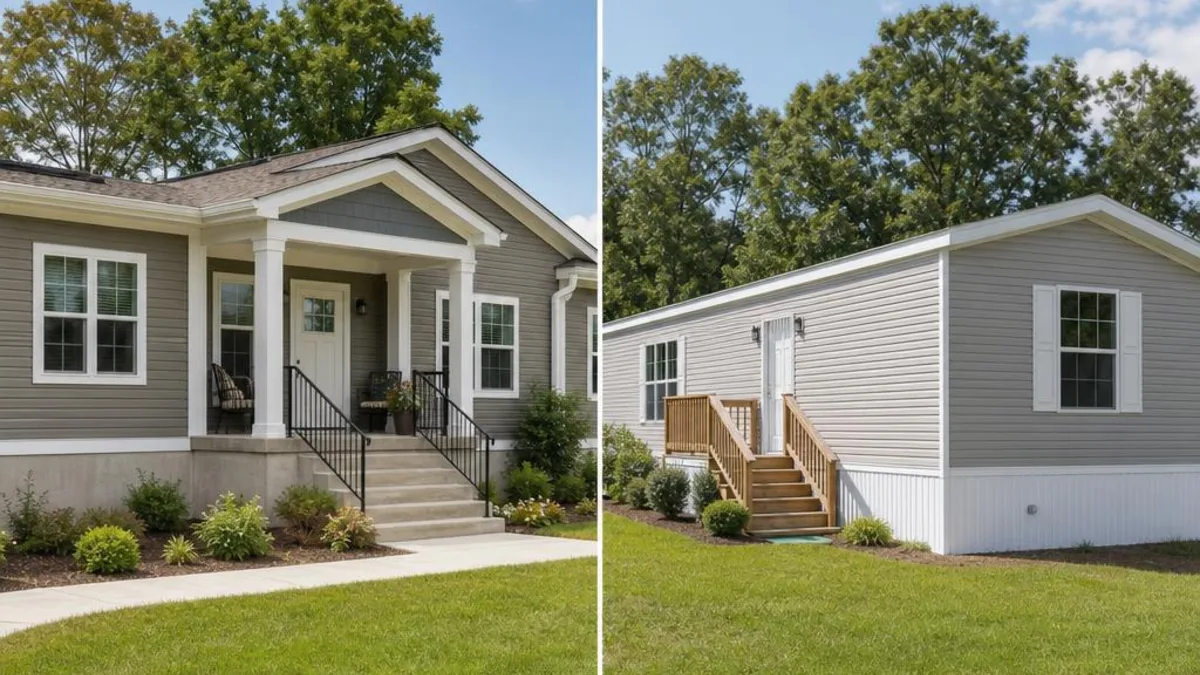
Barndominiums combine a metal shell with residential interior. House kits deliver a wood-framed traditional home. Both have their place — here's the honest comparison on cost, livability, and resale.

From order to move-in, a kit-built home typically takes 4–9 months. Lead time, foundation, framing, and finish all stretch the schedule — here's the realistic phase-by-phase timeline.

Acting as your own GC can save 15–25% of total project cost — but it's a real job. Here's what owner-builders are responsible for, what to outsource, and the realistic time commitment.

Pole barns use wood posts on piers; steel buildings bolt to a concrete slab. Cost, lifespan, permitting, and best uses differ in ways that aren't always obvious from the catalog.

Existing-home prices remain elevated, inventory is tight, and rural land is still affordable. We're seeing a clear shift toward owner-builder and kit-built homes. Here's the data behind the trend.

Before you order a kit or design a custom plan, you need to know what your lot allows. Zoning, setbacks, easements, and height limits determine your maximum footprint — here's how to research them.

Red iron is hot-rolled I-beam structural steel. Tubular steel is cold-formed 12-gauge. They look similar in a brochure but solve different problems and cost very differently. Here's the engineering difference.

Most steel buildings and house kits need a slab foundation. Here's the standard process — site prep, forming, rebar, anchor bolts, pour, and cure — and what to coordinate with your kit supplier.

Steel buildings have long structural lifespans and lower insurance premiums than wood — but resale value depends heavily on location and use. Here's the data on the long-term return.
Homerun