 Homerun
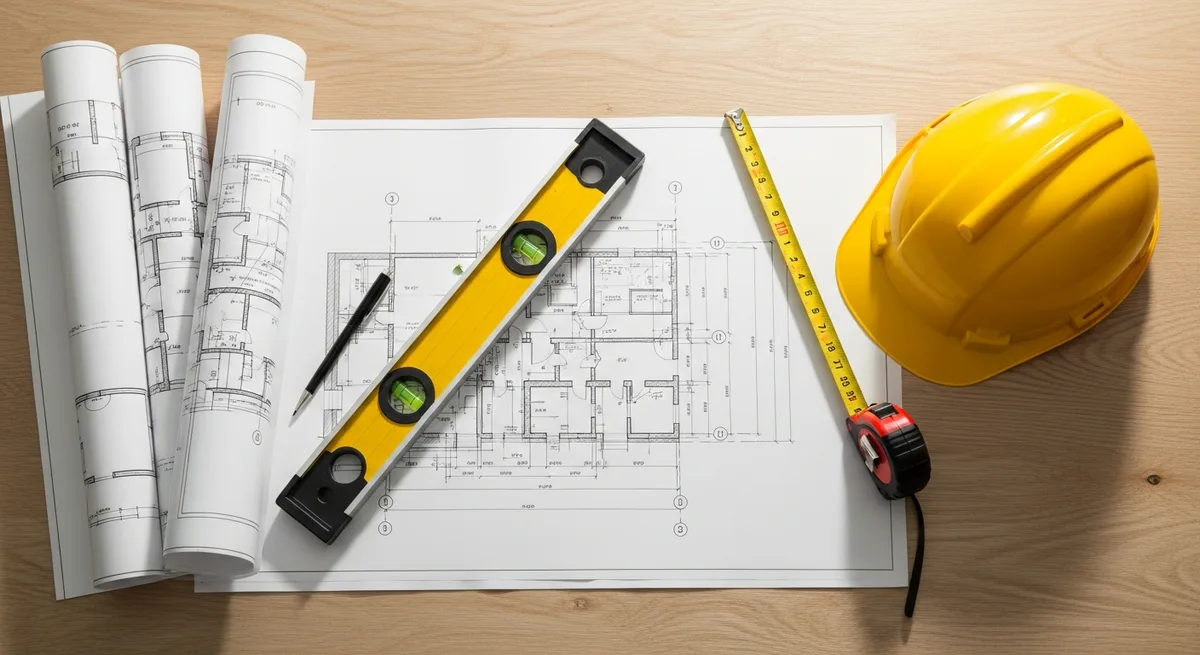
Acting as your own general contractor — owner-builder, in industry terms — is one of the most reliable ways to reduce total build cost. The savings come from eliminating the GC's overhead and profit margin (typically 15–25% of total project cost), avoiding markup on subcontractor invoices, and making your own buying decisions on materials and finishes. The trade-off is that you're now doing a real job. Here's what's actually involved.
What an owner-builder is responsible for
- Securing financing (which is harder for owner-builders than for licensed builders)
- Pulling permits and managing inspections
- Hiring and scheduling every subcontractor
- Buying and accepting delivery of materials
- Coordinating the schedule so trades don't conflict or wait
- Managing budget and cash flow against the loan draw schedule
- Quality control on every phase of work
- Handling problems, change orders, and discovered conditions
- Carrying construction insurance and worker's compensation as required
What you should outsource even as an owner-builder
Foundation, electrical service, plumbing rough-in, HVAC, and roofing should almost always be hired out to licensed trades. Most jurisdictions require licensed contractors for these scopes regardless of who's the GC. The risk-to-savings ratio on DIY mechanicals is bad — a wiring mistake or plumbing leak can cost more than you'd save in labor.
What's reasonable for owner-builders to do themselves: framing (especially with a kit), insulation, drywall hanging (finishing is a skill), interior trim and millwork, painting, flooring (LVP and laminate especially), cabinet install, and finish carpentry.
Time commitment — be honest with yourself
Plan on 15–25 hours per week of project management during active construction phases. That includes site visits, subcontractor calls, material runs, permit follow-ups, and decision-making. Peak weeks (foundation pour week, dry-in week, final inspection week) can hit 40+ hours. Don't underestimate this — owner-builders who try to do it on weekends only routinely add 2–4 months to their schedule.
Licensing requirements by state
Most states allow owner-builders to act as their own GC on their primary residence with no license requirement. Some require a one-time owner-builder affidavit (Florida, California, Texas). A few states have stricter rules, particularly if you intend to sell within a certain period. Check your state contractor licensing board before you assume you can build.
Financing reality for owner-builders
This is the biggest hurdle. Most banks don't make owner-builder construction loans because they perceive higher risk. The lenders that do require: 25–30% down (vs. 20% for builder-led loans), credit scores of 720+, detailed project plans, written cost breakdowns, and documentation of your construction management experience or plan.
Specialty lenders that work with owner-builders: Normandy Mortgage, Built Mortgage, Mountain America Credit Union (in some states), and several regional credit unions. We can recommend which to call based on your state and project — text our team at 765-748-6067.
Insurance you actually need
Builder's risk insurance (covers the structure during construction): $800–$2,500 for a typical residential build. General liability ($1M minimum): $400–$900/year. Workers' compensation: required in most states if you have any paid help on site, even for a day. Don't skip these — uninsured injuries on your construction site can become personal liability.
Top mistakes owner-builders make
- Underestimating the time commitment, then losing momentum mid-project
- Not getting written quotes from subs — verbal estimates always grow
- Buying materials in the wrong order — finishes shouldn't be on site during framing
- Skipping permits 'because it's rural' — this kills resale and insurance
- Not having a contingency budget — most projects need 10–15% over plan
- Trying to do too much yourself — DIY drywall finishing and tile work are common pain points
Is it worth it?
If you have project management experience, available time, and the financial cushion to ride out delays, owner-building typically saves $30K–$80K on a mid-sized residential project. If you don't have those things, hire a builder. The savings disappear fast when delays push the loan past its draw schedule or when stress causes you to make expensive snap decisions.
We work with owner-builders constantly — call or text our team at 765-748-6067 if you want to talk through whether it's a fit for your situation.