 Homerun
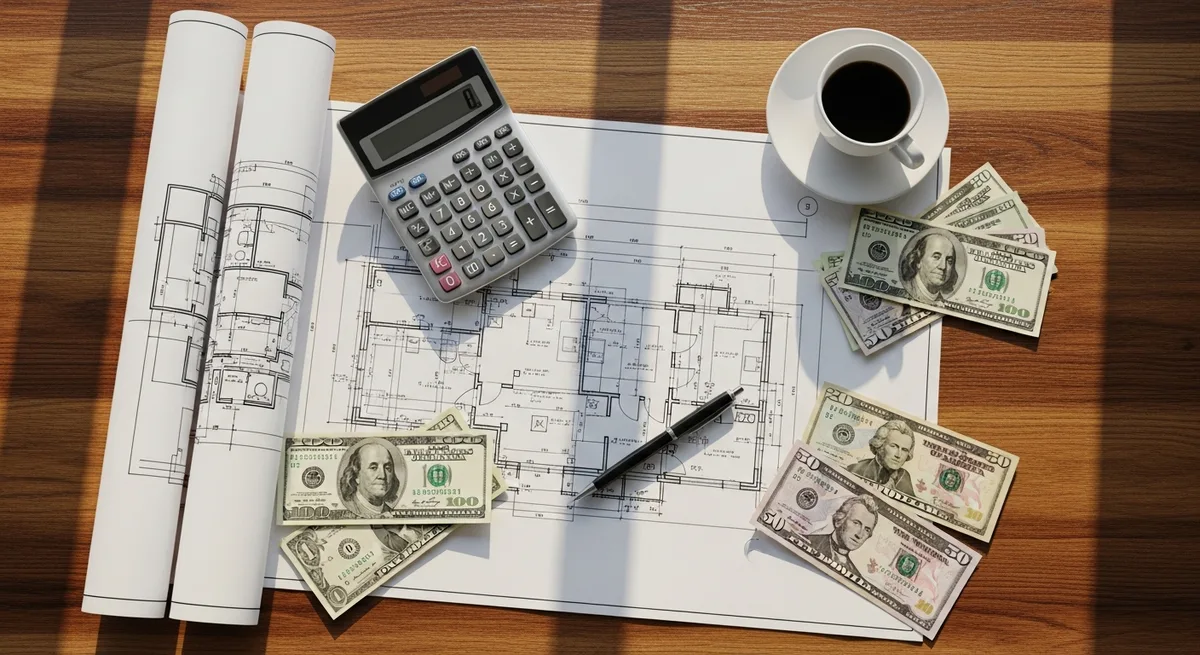
If you're putting $40K, $80K, or $200K into a steel building, you want to know whether you're going to recover that money — through resale, through use, or through avoided expense over the building's life. The honest answer depends on what you're using it for, where you're building, and what you're comparing against. Here's how to think about the financial picture.
Lifespan: 50–100+ years for the structure
A properly engineered steel building, maintained reasonably, lasts 50–100+ years. The structural frame essentially never fails if it's not allowed to corrode — and modern coating systems (galvanized, primed, or galvalume) prevent corrosion for decades. Wall and roof panels typically need replacement at 30–50 years depending on climate. The slab outlasts everything.
Compare to a stick-frame wood pole barn: 25–60 years on the structural posts depending on whether they're set in ground or on piers. Compare to a wood-framed shop: 50+ years if maintained, but more sensitive to moisture, termites, and fire damage.
Insurance: 5–25% lower premiums than wood
Insurance carriers consistently rate steel buildings as lower fire and structural risk than wood-framed equivalents. The premium difference varies by carrier and state, but typical reductions on outbuilding coverage run 5–25%. Over a 30-year hold, that compounds to thousands of dollars in saved premium.
Steel buildings also tend to have lower contents insurance because they're harder to break into and more pest-resistant. Some carriers offer specific steel-building credits — ask your agent.
Maintenance cost: low and predictable
Annual maintenance for a steel building is minimal: clear gutters, touch up paint as needed, check fasteners and seals. Major maintenance over 30 years typically includes one or two paint applications on the panels ($1–$3/sqft), one set of gutter and trim repairs, and possibly door/window seal replacement. Total 30-year maintenance budget for a 30x40 building: $4,000–$8,000.
Wood-framed buildings of the same size typically run $8,000–$15,000 in 30-year maintenance — exterior paint cycles, siding repair, roof shingle replacement, occasional structural repair.
Resale: highly location-dependent
Steel buildings appraise well in commercial, industrial, and rural markets. They appraise less well in suburban residential markets where appraisers have fewer comps. National pattern: a $50K steel shop on a 5-acre rural property typically adds $35K–$45K to the property's appraised value (70–90% recovery). The same building on a 1/4-acre suburban lot may add only $15K–$25K.
If you're building primarily for resale, prioritize: standard sizes (30x40, 40x60), neutral colors, slab finished floor, residential-grade aesthetics if visible from the road. Custom sizes, unusual colors, and visible commercial features reduce resale appeal.
Tax depreciation (commercial use)
If the steel building is used for business, the IRS treats it as a 39-year depreciable asset for non-residential commercial use. Some components (concrete slab, certain electrical and mechanical) can be cost-segregated to shorter depreciation lives. Talk to your CPA about the specific treatment for your situation — depreciation can meaningfully reduce the after-tax cost of a commercial steel building.
Comparing to alternatives
- Renting commercial space at $12/sqft/year: A 30x40 rental costs $14,400/year. Buying the same space as a steel building runs $50K–$80K capital, paying off in 4–6 years vs. renting.
- Pole barn: Lower upfront cost, shorter lifespan, lower resale value. ROI similar over 20 years; steel wins past 25 years.
- Wood-frame shop: Similar upfront cost, higher maintenance, comparable resale in residential settings. Steel wins on insurance and durability.
When a steel building is NOT a good investment
Steel buildings underperform when: built oversized for actual use (you pay for capacity you don't use), built in zoning that restricts metal-skinned buildings (limits resale), or finished out for a single specialized use that won't appeal to future buyers. Avoid these traps and most steel building purchases hold their value well.
Bottom line
For commercial use, agricultural use, equipment storage, or rural residential outbuildings, a steel building is typically a strong investment with predictable returns. For decorative or aesthetic-driven structures in restrictive markets, it's a worse investment. Match the building to the use and the market, and the financials work.
Get a written quote on a steel building sized for your use — call our team at 765-748-6067 or use our quote form.